For much of my life, I thought caring for my body meant learning to control it.
I grew up surrounded by images and messages that taught me what a woman’s body should look like. Thinness became intertwined with beauty, discipline, desirability…even virtue. I didn’t consciously choose those beliefs. I inherited them, as many of us have.
After I was assaulted in my twenties, I found myself wanting certainty. My body no longer felt like a safe place to live. Looking back, I can see that trying to manage my body was, in some ways, an attempt to regain a sense of safety.
And, years later, after my father died, I noticed that same impulse returning. Grief has a way of reminding us how little control we actually have. I couldn’t change what had happened, but perhaps I could change my body. Perhaps if I worked hard enough, paid close enough attention, and got everything “right,” I could find solid ground again.
Over time, the control became exhausting. Under the guise of ‘being healthy and disciplined’ I began to realize I was cutting out big parts of life that brought me joy. In trying so hard to improve my body, I was postponing my life. In that realization, I began to release a little control and let more life back in.
Then came menopause.
Once again, my body changed in ways I hadn’t expected. My clothes no longer fit. My energy shifted. Even my shoe size changed. My body felt more like a stranger than an old, familiar ~ if somewhat contentious ~ friend.
Menopause became an unexpected teacher.
It confronted me with the reality that my body was changing whether I welcomed those changes or not. Slowly ~ and a bit reluctantly ~ I began to wonder if peace might come not from regaining control, but from learning to inhabit this changing body with greater kindness.
Bodies are not machines to be managed. They are living, evolving companions. No matter how disciplined we are, they continue to age, adapt, surprise us, and carry the story of the lives we’ve lived.
As a spiritual director, I spend much of my time inviting people to listen beneath the surface of their lives. Rather than rushing to solve a problem, we slow down long enough to notice what is happening within us. We become curious about our thoughts, our emotions, our longings, and the movements of the soul.
So what would happen if we extended that same kind of listening to our bodies?
Not listening in order to judge or to fix. Simply listening. Perhaps by asking questions such as:
Whose voice am I hearing when I criticize my body?
What is my body trying to tell me?
What does it need today?
Where has it carried me faithfully?
Where is it asking for kindness instead of criticism?
In our culture, we are surrounded by messages that promise certainty if we are willing to work hard enough. Eat the right foods. Exercise enough. Buy the right supplements. Lose the right amount of weight. Health becomes something we earn through discipline, as though our bodies are report cards reflecting our moral character.
But there is no certainty in this life.
Bodies become ill, get injured, heal, and age.
Bodies live with disability, recover from trauma, carry children, and bury loved ones.
Bodies change through hormones, medications, stress, genetics, and the simple passage of time.
None of this is failure. It is part of being human.
A year or so ago, I came across the phrase Health at Every Size. What drew me to this idea wasn’t the promise that everyone is equally healthy. It was the invitation to question some of the assumptions I had absorbed about health.
Health is far more mysterious than appearance allows.
Of course, movement matters. Nutritious food matters. Rest matters. Medical care matters. But so do friendship, purpose, belonging, laughter, and self trust. All of these shape our well-being, yet none of them can be measured by a number on the scale or the size of a pair of jeans.
Somewhere along the way we began assigning moral value to bodies.
We admire some, pity others, and judge others, still.
But bodies are not moral achievements. They are simply the places where our lives unfold. There are no good bodies or bad bodies. There are only human bodies.
Bodies that tell stories and bear scars.
Bodies that delight, that ache, and that change.
Bodies that are worthy of care simply because they are alive.
These days, I am less interested in controlling my body than in listening to it. I want to feel at home in it.
This is the body through which I experience my life. It is the body through which I walk with friends, kneel in the garden, play with my dogs, sit with a spiritual companion, laugh with loved ones, grieve my losses, and notice the beauty of an ordinary day.
I still care about my health.
I move my body, stretch, eat nourishing food (with plenty of little treats), go to medical appointments, and try to get enough sleep. I practice mindfulness, have dance parties in the kitchen with my puppies, and wear clothes that are comfortable. I am slowly releasing the illusion that perfect choices can guarantee perfect outcomes.
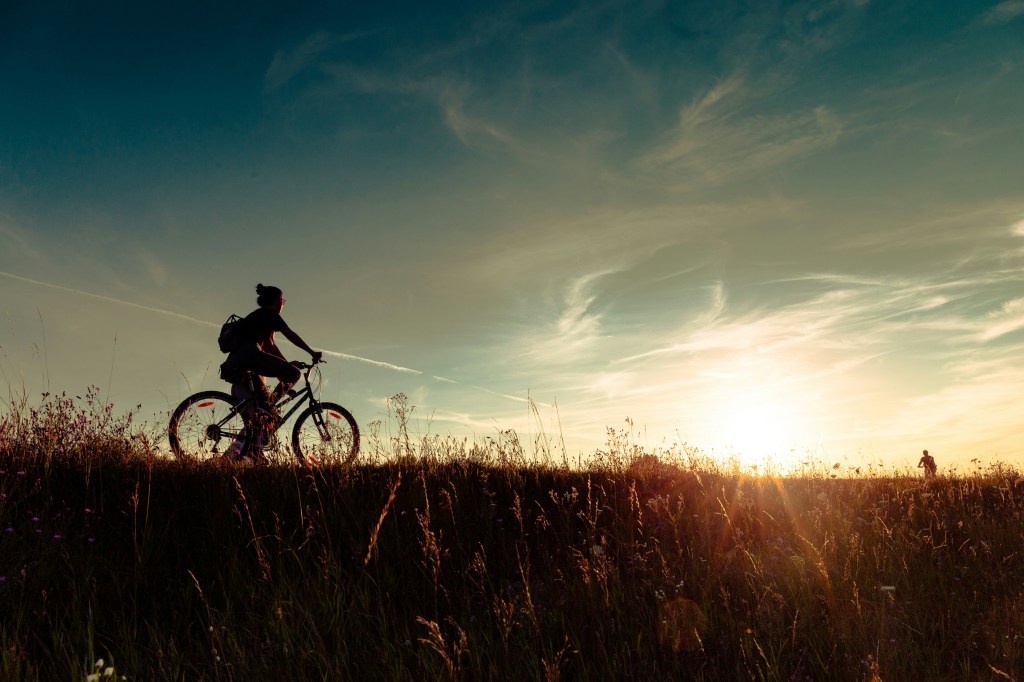
These days, I notice I am less interested in what the scale says and more interested in how I inhabit my life. Am I strong enough to ride my bike? Do I have the energy to spend an afternoon in the garden? Can I kneel beside a raised bed, dance in the kitchen, or walk with a friend? Those questions tell me more about my well-being than a number ever could.
Feeling at home in my body doesn’t mean I never struggle with it. It means I no longer experience it as a problem I need to solve before I can fully live my life.
This one precious body has been carrying me all along.
A few questions to hold:
- When do you notice yourself being most critical of your body?
- How does your body let you know it needs rest, nourishment, movement, or delight?
- When do you feel most at home in your body?
- How might you offer your body a little more kindness this week?
If this reflection resonates with you, I’d love to hear from you. If you’re longing for a space to explore your own questions with curiosity and compassion, you are always welcome to reach out. I would love to connect.
***********
Kristabeth Atwood is a spiritual director, writer, and celebrant who creates spaces for reflection, connection, and meaning in life’s transitions. You can reach out to learn more or schedule a discernment session with Kristabeth.
 Posted by


❤️❤️❤️Sent from my iPhoneOn Jul 7, 2026,
LikeLike